However, further research is needed to clarify exactly how the virus causes symptoms such as loss of appetite, abdominal pain.
Can stress over the COVID-19 cause IBS?
The threat of coronavirus and worldwide lockdown is a stressful period in recent history. Research has shown that periods of stress can trigger or worsen symptoms of irritable bowel syndrome (9,10). During the coronavirus pandemic, there are several causes of stress and anxiety that may contribute to IBS including:
Fear of contracting the virus.
Loss of employment, business sales, or other income sources.
Fear that a family member may contract the virus.
Fear of dying from the virus.
Fortunately, accessible several treatment options are available that target both symptoms of stress and IBS.
Relieving stress and flare-ups triggered by the Coronavirus
If you are experiencing stress and symptoms of IBS from the stress of the coronavirus, there are several treatments acting on the mind-body connection. These therapies have been proven effective in clinical trials to lower stress levels and improve symptoms of IBS. Many of these are available at home while you are social distancing, via smartphone apps:
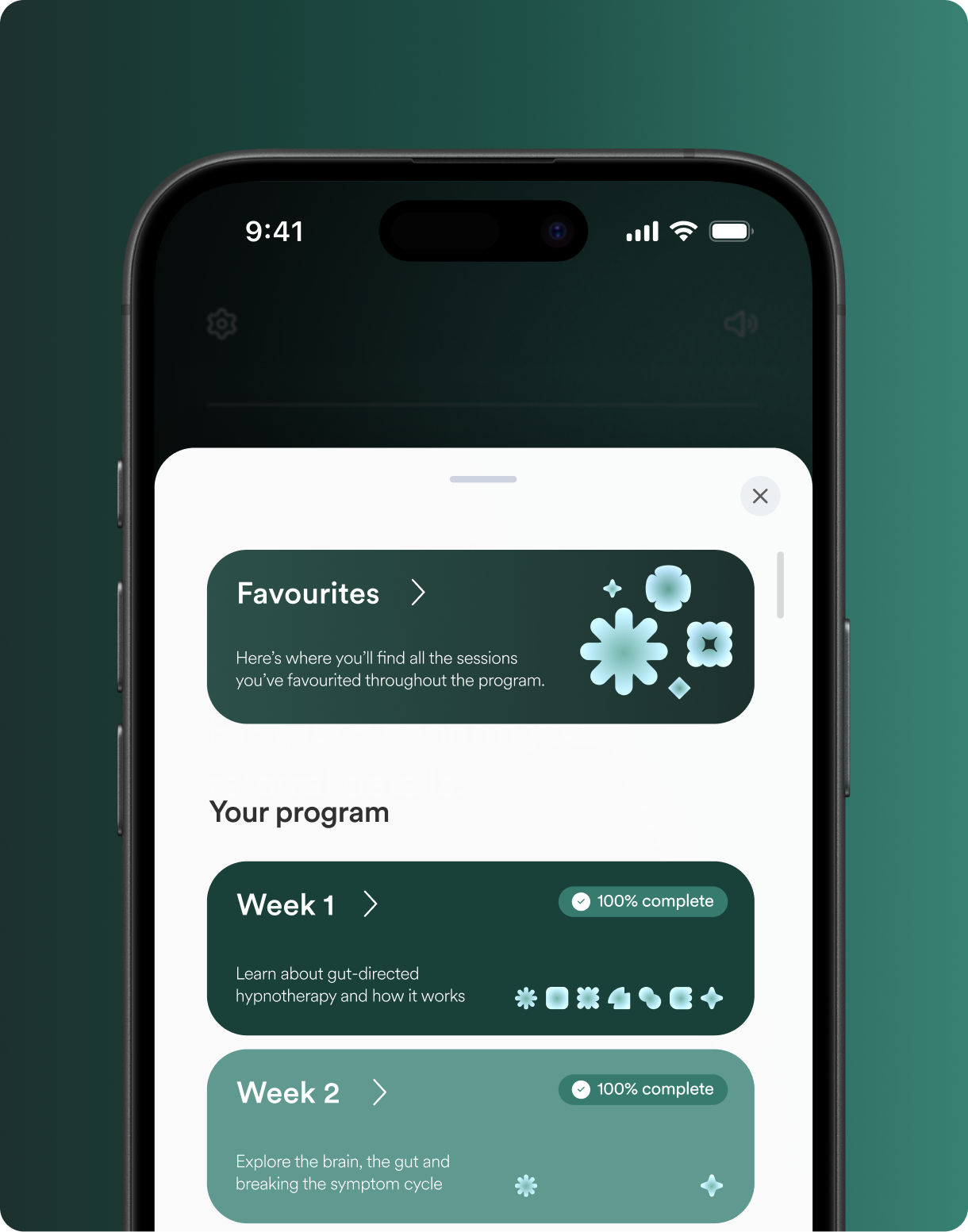
Hypnotherapy: This form of therapy involves progressive relaxation followed by suggestions of soothing imagery designed to lessen symptoms of IBS. Research has shown this therapy may reduce symptoms in up to 70% of patients. Smartphone apps such as Nerva allow direct access to hypnotherapy content. (11)
Mindfulness-based therapy: This therapy is thought to improve concentration, self-esteem and a reduction in the pain and anxiety associated with digestive symptoms. Apps such as Calm and Headspace provide mindfulness meditation programs. (12)
Cognitive-behavioral therapy (CBT): There is significant evidence showing CBT is effective to improve digestive symptoms such as pain, diarrhea, and constipation. CBT involves cognitive and behavioral techniques such as visualization, positive self-talk. (13)
What is the cause of IBS?
Similar to the GI symptoms of coronavirus, the exact cause of IBS is not known. However, it strongly co-occurs with mental health conditions such as depression and anxiety. This has lead researchers to conclude that the mind-body connection is important in the development of IBS. Risk factors for IBS include:
What other treatments are available for IBS?
Besides mind-body therapies, which work by addressing the emotional stress often underlying IBS and other functional GI disorders, there are also available medications. Since the root cause of IBS is not known, these are primarily aimed at ameliorating the symptoms of the condition. These include:
Probiotics: are live bacteria that can improve symptoms of IBS, as well as improve mood and reduce symptoms of anxiety. (16, 17, 18)
Laxatives: to treat symptoms of constipation. (19)
Fiber supplements: to improve symptoms of constipation. (19)
Coronavirus and GI symptoms
A study from Wuhan, China showed that gastrointestinal symptoms may start up to 2 days before flu-like symptoms as an ‘early warning’ sign. This finding was based on over 100 patients, over 50% of whom experienced GI symptoms such as loss of appetite and nausea as their primary complaint. This suggests that those who experience these symptoms should consider self-quarantining for at least 2 days. Although symptoms may be related to IBS as it is a more common condition worldwide, coronavirus may be responsible, especially if respiratory symptoms develop. (1)
It is also possible for coronavirus patients to suffer GI symptoms only. A small proportion (about 1% of patients) who contract Coronavirus suffer digestive issues but no signs of fever. However, the majority of patients experience fever, dry cough and other respiratory symptoms as their primary complaint. (6)
Unfortunately, those with digestive issues with their coronavirus experience a worse prognosis. This includes worse clinical outcomes and higher mortality rates. Patients with GI symptoms were less likely to be cured than those with respiratory symptoms. (1)
Research has also shown that coronavirus may be transmitted not only via cough droplets in the air or direct contact, but also by the fecal-oral route. In other words, virus can survive and be transmitted through poo. Scientists have proven that the virus may be transmissible in poo even when there is no sign of the virus in the infected person (20). Therefore, it is important to maintain proper hygiene practices to avoid fecal contamination on surfaces that could lead to infection. (21, 22)
GI symptoms and Coronavirus diagnosis
Coronavirus is usually diagnosed based on respiratory symptoms. However, scientists are recommending doctors assess digestive symptoms as part of the diagnosis. This is because some COVID-19 patients experience GI symptoms, with no respiratory symptoms, and other patients show GI symptoms up to 2 days before respiratory symptoms begin. (1, 23, 24)
Additionally, using a technology called reverse transcriptase-polymerase chain reaction (RT-PCR), doctors are able to analyze a poo sample for traces of viral genetic material. This allows them to rapidly diagnose a person with COVID-19, even after symptoms have ceased or no symptoms were experienced at all. (25, 26)
Is Coronavirus worse in people with inflammatory bowel diseases (IBD)?
People with pre-existing inflammatory bowel disease may be at a heightened risk of dying from coronavirus. This is because medications commonly prescribed for IBD dampen the immune system, which attacks the person’s own body. This makes them more susceptible to the impact of the virus. (27)
If you are unsure whether you have IBS or IBD, a gastroenterologist will typically perform tests to confirm the diagnosis, after a physical examination. Colonoscopy is the most definitive test for IBD and involves a thin, flexible tube with a camera attached through the anus into the digestive tract. This procedure is able to observe signs of inflammation in IBD. Scans using computerized tomography (CT) or x-ray can be used to determine if inflammation occurs in regions not observable by colonoscopy. Once IBD diagnosis is confirmed negative, then the elevated risk of coronavirus from immunosuppressive drugs can be ruled out. (28)
Can diet and exercise help me recover from Coronavirus?
Lifestyle changes such as diet and exercise have been recommended by medical experts to improve the chances of recovery. UK experts from the Centre for Perioperative Care (CPOC) recommend maintaining a healthy diet, limiting alcohol, exercising for 30 minutes per day and stopping smoking to reduce the chance of developing severe symptoms from coronavirus. This is based on evidence from China indicating those of low fitness and general health were up to five times more likely to have a worse outcome than fit and healthy people. (29)
The Wrap Up
Besides respiratory symptoms, COVID-19 may cause symptoms in the GI tract. Inflammation in the small intestine and large intestine is thought to be responsible, however, further research is needed. Many GI symptoms of coronavirus overlap with IBS and diagnosis of IBS may be useful for those concerned with having contracted COVID-19.
References
Sun, M.D., Rungsheng Wang, M.S., Junhong Yan, M.D., Pibao Li, M., Baoguang Hu, M.D. and PhD11, C., Clinical characteristics of COVID-19 patients with digestive symptoms in Hubei, China: a descriptive, cross-sectional, multicenter study. Link
Canavan, C., West, J. and Card, T., 2014. The epidemiology of irritable bowel syndrome. Clinical epidemiology, 6, p.71. Link
Dhama, K., Sharun, K., Tiwari, R., Sircar, S., Bhat, S., Malik, Y.S., Singh, K.P., Chaicumpa, W., Bonilla-Aldana, D.K. and Rodriguez-Morales, A.J., 2020. Coronavirus Disease 2019–COVID-19. Link
Chey, W.D., Kurlander, J. and Eswaran, S., 2015. Irritable bowel syndrome: a clinical review. Jama, 313(9), pp.949-958. Link
Zhang, Y., 2020. Gastrointestinal tract symptoms in coronavirus disease 2019: Analysis of clinical symptoms in adult patients. medRxiv. Link
Wang, D., Hu, B., Hu, C., Zhu, F., Liu, X., Zhang, J., Wang, B., Xiang, H., Cheng, Z., Xiong, Y. and Zhao, Y., 2020. Clinical characteristics of 138 hospitalized patients with 2019 novel coronavirus–infected pneumonia in Wuhan, China. Jama. Link
Pan, L., Mu, M., Ren, H.G., Yang, P., Sun, Y. and Wang, R., 2020. Clinical characteristics of COVID-19 patients with digestive symptoms in Hubei, China: a descriptive, cross-sectional, multicenter study. Am J Gastroenterol, 20.
Xiao, F., Tang, M., Zheng, X., Li, C., He, J., Hong, Z., Huang, S., Zhang, Z., Lin, X., Fang, Z. and Lai, R., 2020. Evidence for gastrointestinal infection of SARS-CoV-2.

.jpeg)

.jpeg)