9. Elimination diets are not always the full solution
Approaches like the low FODMAP diet can reduce symptom triggers, but they don't address the root cause.2 The underlying issue is gut-brain sensitivity – and dietary changes alone don't retrain that signaling or reduce nerve reactivity.
10. Gut-brain disorders respond to the right approach
Effective management often combines dietary adjustments, medications that reduce nerve signaling, and gut-brain therapies designed to lower hypersensitivity and improve regulation.3
"I think having more direct-to-consumer options for gut-brain therapy like Nerva is super helpful and modern." Dr. Emily Ward, gastroenterologist, GutsyRx
Gut-brain disorders are common and manageable. Understanding how gut-brain signaling works helps shift the focus from searching for hidden damage to calming a sensitive system.
For a full explanation, read the complete guide to gut-brain disorders.
Frequently asked questions
How common are gut-brain disorders?
Gut-brain disorders affect around 40% of people globally, making them one of the most common health conditions worldwide.4 IBS is the most prevalent type, affecting 10-15% of the population.
What is the difference between IBS and IBD?
IBS is a gut-brain disorder with no visible tissue damage, while IBD (Crohn's disease and ulcerative colitis) involves measurable inflammation in the digestive tract. Unlike IBD, IBS is diagnosed through symptom patterns rather than colonoscopy or blood tests.
Can a gut-brain disorder go away on its own?
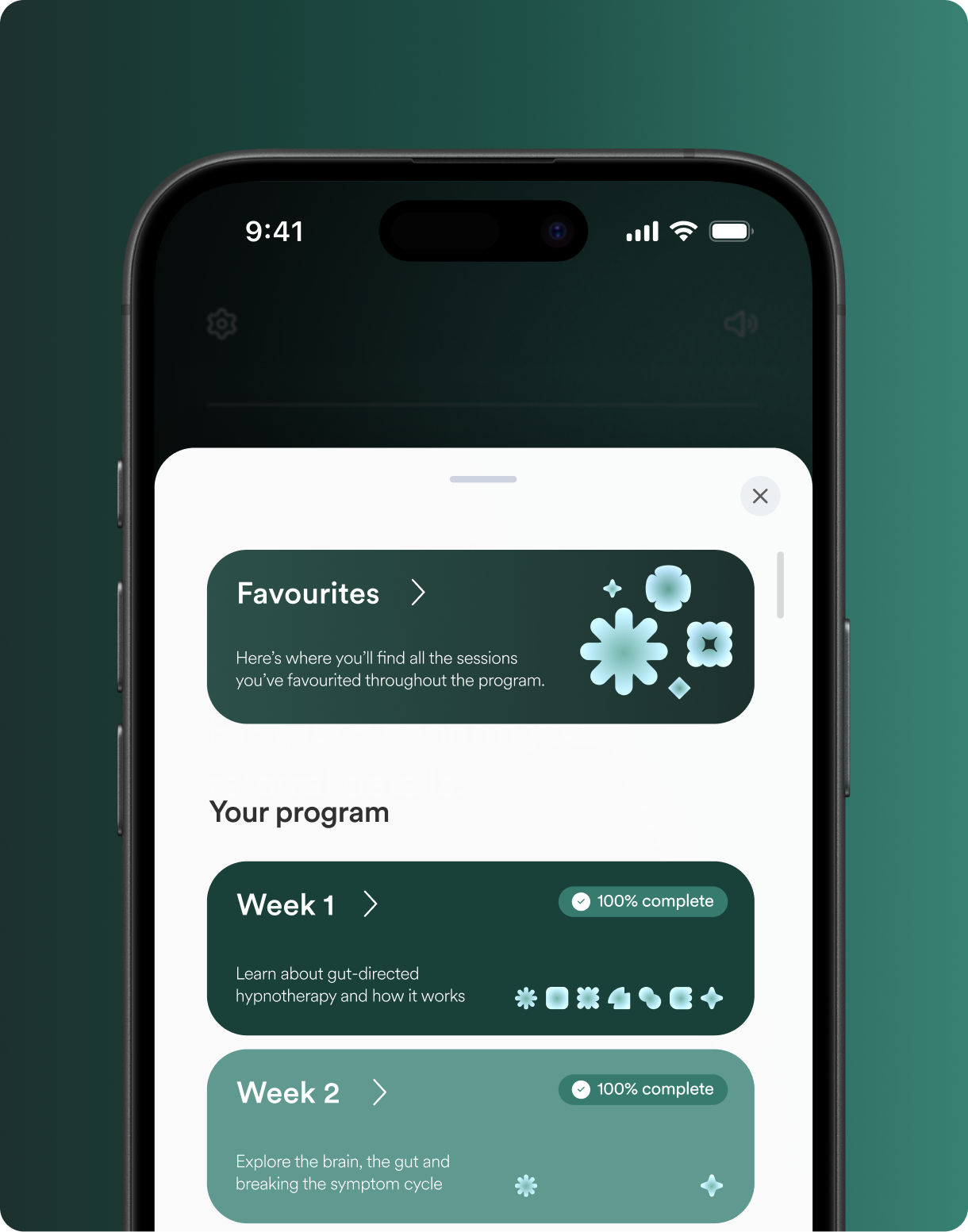
Gut-brain disorders like IBS are chronic conditions that fluctuate rather than resolve without treatment. Programs like Nerva target the underlying gut-brain dysregulation directly, with 81% of participants in clinical trials achieving significant symptom improvement.5
Are women more likely to develop a gut-brain disorder?
Gut-brain disorders are diagnosed more frequently in women, with IBS affecting women at roughly twice the rate of men.6 Hormonal factors and differences in how the nervous system processes pain are both thought to contribute.
How is a gut-brain disorder diagnosed if tests come back normal?
Gastroenterologists diagnose gut-brain disorders using the Rome IV criteria, which are based on symptom patterns rather than test results. For IBS, this means recurrent abdominal pain at least once a week for three months, associated with changes in bowel habit.
References
1. Rome Foundation. Rome IV diagnostic criteria. Rome Foundation. Accessed February 25, 2026. https://theromefoundation.org/rome-iv/rome-iv-criteria/
2. Gibson PR, Shepherd SJ. Evidence-based dietary management of functional gastrointestinal symptoms: the FODMAP approach. J Gastroenterol Hepatol. 2010;25(2):252-258.
3. Barrera Flores FJ, Guerrero Tamez JA, Winkelman T, Barrera Flores R, Madva EN. A multidisciplinary approach to the management of disorders of gut-brain interaction: psychopharmacology, psychotherapy, and diet. Front Gastroenterol (Lausanne). 2025;4:1637172. doi:10.3389/fgstr.2025.1637172
4. Sperber AD, et al. Worldwide Prevalence and Burden of Functional Gastrointestinal Disorders. Gastroenterology. 2021;160(1):99-114.
5. Anderson EJ, Peters SL, Gibson PR, Halmos EP. Comparison of digitally delivered gut-directed hypnotherapy program with an active control for irritable bowel syndrome. Am J Gastroenterol. 2025;120(2):440-448. doi:10.14309/ajg.0000000000002921
6. Heitkemper M, Jarrett M. Irritable bowel syndrome: does gender matter? J Psychosom Res. 2008;64(6):583-587.
.webp)

.jpeg)

.jpeg)