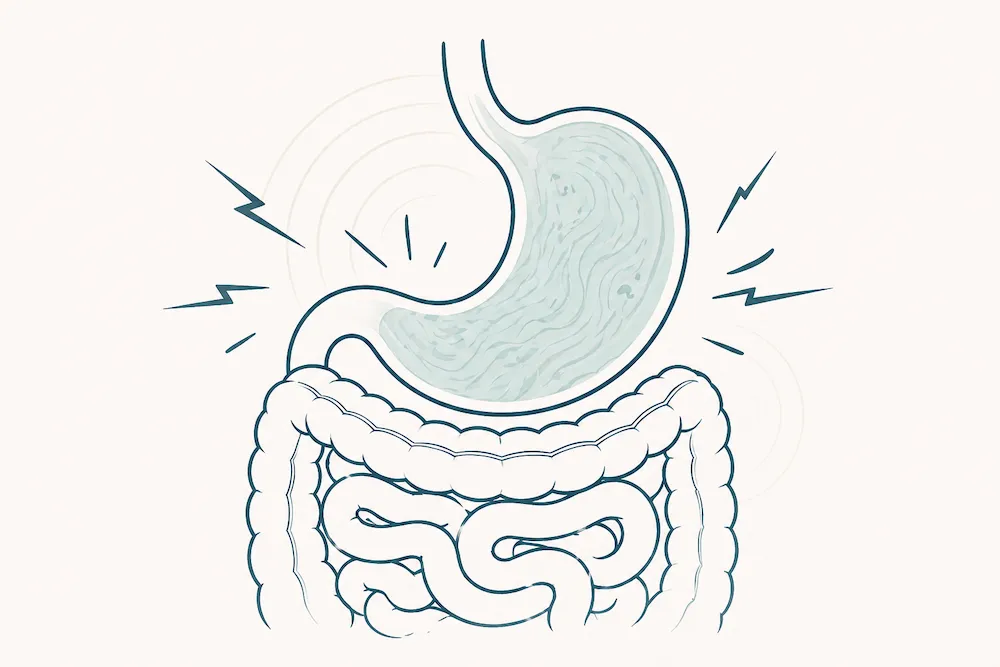
Anxiety and headaches can be potential side effects of gut-directed hypnotherapy. While these side effects are rare, it's important to discuss any concerns with a qualified healthcare professional. Additionally, gut-directed hypnotherapy is not recommended for those with a history of psychosis.
Always speak to a healthcare provider before starting a new management process.
When it comes to managing symptoms of IBS, gut-directed hypnotherapy stands out as an effective alternative. Unlike medication-based approaches, gut-directed hypnotherapy offers a non-invasive and drug-free approach. It focuses on harnessing the power of the mind to reduce IBS symptoms.
Studies have shown that gut-directed hypnotherapy can provide long-lasting results by addressing the underlying psychological factors contributing to IBS. By reducing stress and anxiety, and enhancing gut-brain communication, this approach helps restore balance in the digestive system.
Furthermore, gut-directed hypnotherapy offers a holistic approach, tackling both the physical and psychological aspects of IBS. With its proven efficacy and minimal risks, gut-directed hypnotherapy emerges as a compelling option for those seeking a comprehensive and sustainable way to manage their IBS symptoms.
How long does gut-directed hypnotherapy take to work?
The timeline and effectiveness of gut-directed hypnotherapy varies from person to person. Some individuals may experience results relatively quickly, while others may need more time before they notice changes in their symptoms.
In the digital therapeutic program, Nerva, results are most commonly seen between weeks four to six.
Where can I get gut-directed hypnotherapy?
While we recommend talking to your doctor before beginning any new management tool for IBS, there are several ways that you can get started with it. Here are a few ways to access hypnotherapy for IBS:
IBS hypnotherapy practitioners (Hypnotherapists)
You might choose to see a hypnotherapy practitioner, also known as a hypnotherapist. There are many benefits to choosing this kind of hypnotherapy, including having a professional keep you on track with your IBS management goals.
Many people enjoy this kind of hypnotherapy because it has similarities to other in-person healthcare models, like psychotherapy or counseling. However, before booking an in-person hypnotherapist, there are a few important things you need to keep in mind.
Hypnotherapy in Australia, America, and many other parts of the world, is not a regulated profession. This means hypnotherapists are not legally required to meet service standards or receive any specific medical training.
In-person hypnotherapy can cost up to US$250 per session. While some practitioners may be cheaper, buyers beware: the quality of in-person hypnotherapy can vary greatly.
Before booking a hypnotherapist, ensure that the practitioner:
Before booking an IBS hypnotherapy session, ask if your practitioner has a medical degree, (i.e., a gastroenterologist, a psychologist, or a dietitian) and additional certified hypnotherapy training.
Audio-hypnotherapy
Some people will choose to buy or download audio hypnotherapy recordings as a cost-effective way to start IBS hypnotherapy. Recordings may cost as little as US$8.
Many hypnotherapy websites provide an audio-download option, however, as these offerings are not regulated the quality and benefits of this kind of hypnotherapy can be questionable.
Some listeners may find the recordings are poor quality and hard to become absorbed in.
IBS hypnotherapy app
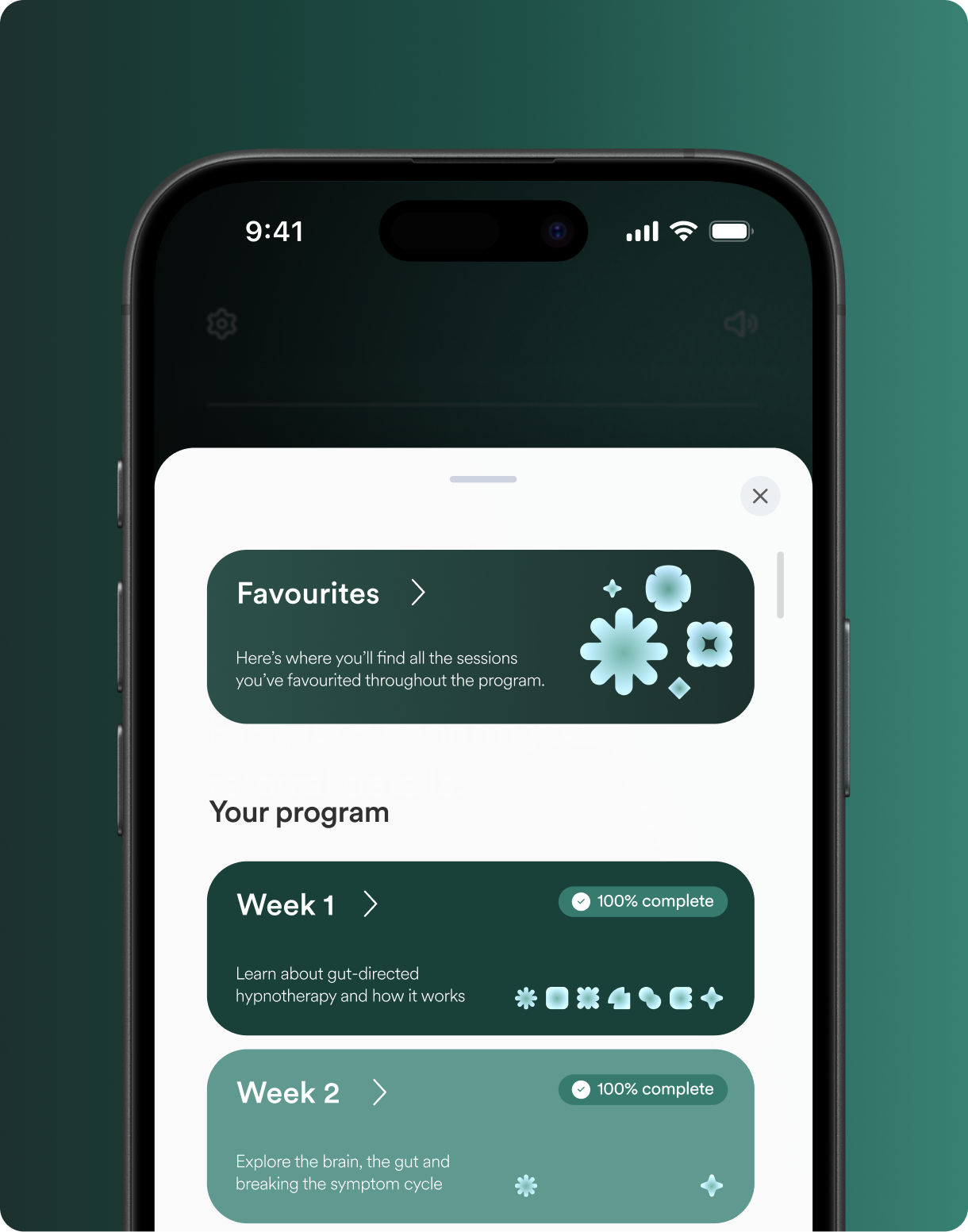
Therapeutic apps can be the best option for people starting their IBS hypnotherapy journey. However, similar to choosing an in-person specialist, it's important to check the credentials of hypnotherapy apps before purchasing.
The market leader in hypnotherapy apps is Nerva. This IBS hypnotherapy app was created by world-leading IBS specialist, Dr Simone Peters from Monash University, the same university that developed the low FODMAP diet.
As a qualified gastroenterologist and hypnotherapist, Dr. Peters was able to replicate the benefits of her in-person practice in app-based form, to provide cost-effective relief for people with IBS.
IBS hypnotherapy apps can vary greatly in price. However, for a quality app that replicates the therapeutic environment, you can expect to pay around US$20 a month. Some apps, like Nerva, also provide a seven-day trial, so you can test out the program before committing. The program can be easily downloaded from the App Store or Google Play.
IBS self-hypnosis
Some people will choose to practice self-hypnosis in which they teach themselves how to enter a hypnotic state and use their own imagery and suggestions.
To get started with this option, you may wish to book a few sessions with a professional to teach you the basics, take a short course on clinical hypnosis techniques, or self-guide your education with popular hypnotherapy books.
Self-hypnosis is free to use besides the initial set-up costs required to learn the practice (i.e., books, courses, or sessions).
It's important to note, however, that while it can be a more affordable option, some people find it difficult to maintain a regular practice on their own or find themselves unable to fully relax during their sessions.

The Wrap Up
In conclusion, gut-directed hypnotherapy is an effective approach to managing irritable bowel syndrome (IBS). With its non-invasive and drug-free nature, this therapy offers a compelling management tool for individuals seeking relief from symptoms such as abdominal pain, bloating, diarrhea, and/or constipation. By addressing both the physical and psychological factors contributing to IBS, gut-directed hypnotherapy can result in long-lasting symptom reduction.
References
Breit S, Kupferberg A, Rogler G, Hasler G. Vagus Nerve as Modulator of the Brain-Gut Axis in Psychiatric and Inflammatory Disorders. Front Psychiatry. 2018;9:44. Published 2018 Mar 13. doi:10.3389/fpsyt.2018.00044.
Chong PP, Chin VK, Looi CY, Wong WF, Madhavan P, Yong VC. The Microbiome and Irritable Bowel Syndrome - A Review on the Pathophysiology, Current Research and Future Therapy [published correction appears in Front Microbiol. 2019 Aug 13;10:1870]. Front Microbiol. 2019;10:1136. Published 2019 Jun 10. doi:10.3389/fmicb.2019.01136.
Fadgyas-Stanculete M, Buga AM, Popa-Wagner A, Dumitrascu DL. The relationship between irritable bowel syndrome and psychiatric disorders: from molecular changes to clinical manifestations. J Mol Psychiatry. 2014;2(1):4. Published 2014 Jun 27. doi:10.1186/2049-9256-2-4.
Jiang H, White MP, Greicius MD, Waelde LC, Spiegel D. Brain Activity and Functional Connectivity Associated with Hypnosis. Cereb Cortex. 2017;27(8):4083-4093. doi:10.1093/cercor/bhw22.
Peters SL, Yao CK, Philpott H, Yelland GW, Muir JG, Gibson PR. Randomised clinical trial: the efficacy of gut-directed hypnotherapy is similar to that of the low FODMAP diet for the treatment of irritable bowel syndrome. Aliment Pharmacol Ther. 2016;44(5):447-459. doi:10.1111/apt.13706.
Gonsalkorale WM, Miller V, Afzal A, Whorwell PJ. Long term benefits of hypnotherapy for irritable bowel syndrome. Gut. 2003;52(11):1623-1629. doi:10.1136/gut.52.11.1623.
Tan G, Hammond DC, Joseph G. Hypnosis and irritable bowel syndrome: a review of efficacy and mechanism of action. Am J Clin Hypn. 2005;47(3):161-178. doi:10.1080/00029157.2005.1040148.
Whorwell, P.J. (2005), Review article: the history of hypnotherapy and its role in the irritable bowel syndrome. Alimentary Pharmacology & Therapeutics, 22: 1061-1067. https://doi.org/10.1111/j.1365-2036.2005.02697.
Williamson A. What is hypnosis and how might it work?. Palliat Care. 2019;12:1178224219826581. Published 2019 Jan 31. doi:10.1177/1178224219826581


.jpeg)