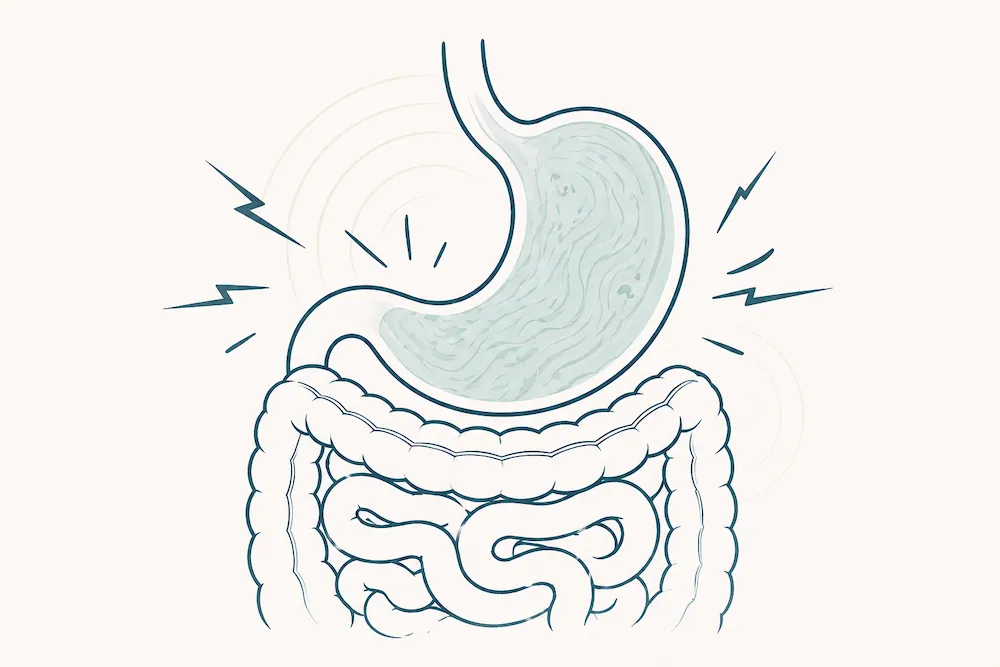
What causes period poops?
So, who’s the culprit behind those uncomfortable digestive changes during your period? In most cases, it comes down to hormones, specifically prostaglandins and progesterone. These natural chemical messengers help regulate your menstrual cycle but can also affect how your gut behaves. Add stress, anxiety, or changes in your diet to the mix, and it’s easy to see why your digestion might feel a little unpredictable each month.
1. Higher levels of prostaglandins
Just before your period begins, your uterine cells begin to release prostaglandins to trigger the contractions that shed the uterine lining. Some of these prostaglandins can enter your bloodstream and affect other muscles in your body, including those in your intestines.
This can lead to digestive symptoms such as:
• Abdominal cramps
• Nausea or upset stomach
• Diarrhea or loose stools
Prostaglandins can also cause the body to retain less water, which softens stools and increases bowel activity. Caffeine can make this worse, since it has a natural laxative effect, so if you’re already dealing with diarrhea during your period, that extra cup of coffee might not help.
2. Higher levels of progesterone
Progesterone is another hormone that fluctuates throughout your cycle. It rises after ovulation to prepare your body for a possible pregnancy, then drops if no egg is fertilized. High levels of progesterone can slow digestion, leading to constipation or bloating.
For some people, though, it can have the opposite effect and loose and watery stools. Those with existing gut conditions, such as IBS or Crohn’s disease, often find their symptoms intensify during this time, with added abdominal pain, headaches, or changes in bowel habits.
3. Changes in diet
If you crave more chocolate, chips, or sugary snacks during your period, you’re not imagining it. Hormonal shifts during the luteal phase can increase appetite and drive cravings for high-fat or high-sugar foods.
These sudden changes in diet can also affect digestion. Eating more processed or fatty foods may alter the consistency, regularity, and even the smell of your stool. To support more balanced digestion, try to limit refined sugars, processed snacks, and excessive fats while focusing on whole foods and hydration.
4. Stress and anxiety
It’s common to feel more emotional or stressed around your period, and your gut feels it too. Stress hormones can speed up or slow down digestion, leading to either diarrhea or constipation. This is due to the gut-brain connection – the two-way communication system linking your digestive tract and nervous system.
When stress levels rise, your gut may become more reactive. The good news is that you can help retrain this connection. Research from Monash University has shown that gut-directed hypnotherapy – a key component of gut-brain therapy programs like Nerva – can effectively reduce IBS symptoms by calming the gut-brain connection, and many people find it helps ease stress-related digestive flare-ups during their cycle as well.
Why do period poops hurt?
If passing a bowel movement feels more painful during your period, you’re not alone. Hormonal changes, cramping, and heightened pain sensitivity can all make digestion feel uncomfortable at this time of the month.
Common reasons period poops can hurt include:
• Constipation – Hormones such as prostaglandins and progesterone, which rise around your period, can slow digestion. If stools become hard or dry, they may be painful to pass.
• Menstrual cramps – Straining during a bowel movement can trigger or worsen uterine cramps, causing sharp or radiating pain in the lower abdomen.
• Increased pain sensitivity – Hormonal fluctuations during menstruation can make you more sensitive to pain, so even mild discomfort may feel more intense.
How to deal with period poops
If you struggle with digestive issues during your period, a few small changes can make a big difference. While there’s no single cure for “period poops,” the following strategies can help reduce symptoms and calm your gut.
1. Eat clean and stay mindful of triggers
Try to eat as cleanly as possible during your period to ease digestion and reduce inflammation. It’s normal to crave comfort foods, but aim to limit gastrointestinal upset with hard-to-digest or gut-stimulating options.
Foods and drinks to avoid during your period:
• Fried or greasy foods
• Stimulants like coffee, tea, and energy drinks
• Sugary foods such as chocolate, cake, or sweets
• Excess water intake if you tend to have diarrhea
Instead, focus on balanced meals that include whole grains, cooked vegetables, lean proteins, and plenty of hydration without overdoing caffeine or sugar.
2. Get moving
Various types of exercise can support digestion and relieve cramps by improving blood flow and reducing stress hormones. If you’re not up for an intense workout, try gentle, restorative movement.
Exercises that may help include:
• Yoga – Yoga combines movement, breathing, and mindfulness. Research shows it can reduce IBS symptoms, calm anxiety, and ease menstrual discomfort.
• Tai Chi – This slow, mindful practice has been shown to improve gut symptoms and overall well-being when done regularly and proven more effective than medication in some cases.