Key takeaways:
- The low FODMAP diet is a research-backed approach for IBS, shown to help calm symptoms like bloating, gas, abdominal pain, diarrhea, and constipation.
- FODMAPs are poorly absorbed carbohydrates that ferment in the gut and trigger IBS symptoms due to visceral hypersensitivity.
- The low FODMAP diet follows a structured three-phase process (elimination, reintroduction, and personalization) and should be guided by a healthcare professional.
We do not know what causes IBS, however, we know from scientific studies that consuming a diet low in ‘FODMAPs’ may help people with IBS find relief from their gastrointestinal symptoms.
The term FODMAP is an acronym that stands for:
Fermentable
Oligosaccharides
Disaccharides
Monosaccharides
And
Polyols
FODMAPs are fermentable short-chain carbohydrates that are often poorly absorbed in the gut and cause undesirable gastrointestinal symptoms in people with IBS. Such sugars are commonly found in legumes, wheat, rye, grains, fruits and vegetables, and some processed foods.
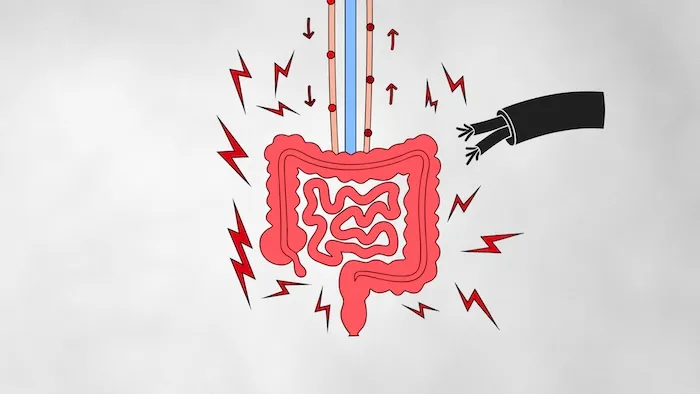
For people with IBS, the movement of FODMAPs from the small bowel into the large bowel means that the resident bacteria in the large bowel starts to ferment the FODMAPs, producing gas and bloating. Then, excess water being drawn into the bowel causes diarrhea, abdominal pain, discomfort, and further bloating.