Typically, the low FODMAP diet involves two phases: the elimination phase, in which FODMAPs are fully removed from the diet, and the reintroduction phase in which foods are reintroduced, one by one and symptoms monitored. The goal of dietary therapy for IBS is to remove ‘trigger’ foods whilst maintaining adequate nutrition. It is therefore recommended that a nutritionist be consulted to ensure adequate nutrition whilst on the low FODMAP diet.
2) Mind-body interventions
The cause of IBS is not fully understood. However, there appears to be a susceptibility for the bowel to overreact to certain triggers such as stress and emotional trauma. For this reason, psychological therapies have been tested and found highly effective in treating patients with IBS. These include:
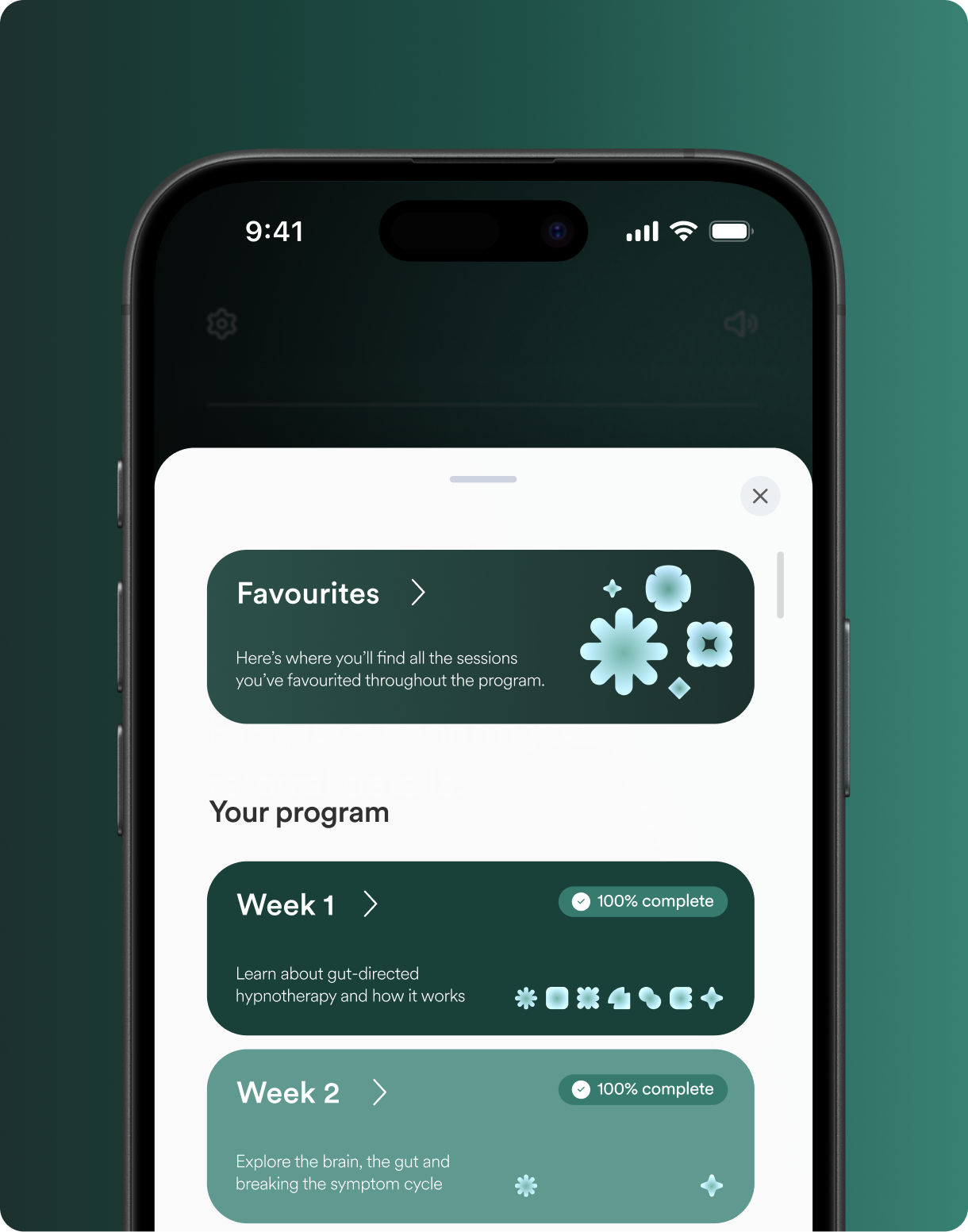
Gut-directed hypnotherapy: involves relaxation and suggestions to help IBS patients feel more positively about the sensations in the body. Working on the gut-brain connection, this therapy reduces pain signals and desensitizes the gut to digestive processes.
Cognitive-behavioral therapy (CBT): is a form of psychotherapy in which patients are taught to challenge negative thoughts associated with IBS, and adopt a more positive outlook. By reducing the stress response and negative mood, symptoms of IBS have been shown to improve.
Mindfulness meditation: is a form of Buddhist training in which patients are taught to accept the sensations in their bodies and appraise them without judgment.By bringing the patient’s awareness to the present moment, this form of therapy helps to reduce negative thoughts associated with IBS that may worsen symptoms
3) Medication for spastic colon
Several medications are commonly prescribed for spastic colon/IBS. These include:
Fiber supplements: such as psyllium (Metamucil) to improve symptoms of constipation in constipation-predominant IBS.
Laxatives: such as polyethylene glycol and lactulose can improve motility in IBS with constipation.
Anti-diarrheal medications: such as loperamide (Imodium) can improve symptoms of diarrhea-predominant IBS.
Pain medications: such asPregabalin (Lyrica) can reduce abdominal pain in IBS.
Antidepressants: such as tricyclic antidepressants, imipramine and desipramine, and SSRI medications, fluoxetine and paroxetine may reduce abdominal pain in IBS. These medicines work by lessening the pain signals from the intestines to the brain.
IBS-specific medications: such as alosetron work by relaxing the colon to slow the movement of digested material in IBS with diarrhea. Other drugs such as linaclotide work by relaxing the colon and increasing fluid secretion in the small intestines, to improve motility in IBS with constipation.
Probiotics: by improving the constituency of microbes in the gut, probiotics containing live bacterial species such as Bifidobacterium may improve IBS symptoms with limited side effects. However, this research is preliminary.
Antispasmodic medications: such as dicyclomine (Bentyl) may relieve stomach cramps and abdominal pain in IBS by relaxing the smooth muscles of the gut.
The Wrap Up
Spasming of the colon is common and usually associated with IBS but can also occur with other health conditions. If you are experiencing abdominal discomfort, cramping or diarrhea for an extended period it is important to discuss your symptoms with your doctor. If you are experiencing a spastic colon due to IBS you can manage this symptom through dietary changes such as the low FODMAP diet, through mind-body interventions such as hypnotherapy, or through medication.
References
1. Gauss, H., 1930. The spastic colon. Annals of Internal Medicine, 3(11), pp.1128-1139. Link
2. Read, N.W., Krejs, G.J., Read, M.G., Santa Ana, C.A., Morawski, S.G. and Fordtran, J.S., 1980. Chronic diarrhea of unknown origin. Gastroenterology, 78(2), pp.264-271. Link
3. Chey, W.D., Kurlander, J. and Eswaran, S., 2015. Irritable bowel syndrome: a clinical review. Jama, 313(9), pp.949-958. Link
4. Lüttecke, K., 1978. A trial of trimebutine in spastic colon. Journal of International Medical Research, 6(2), pp.86-88. Link
5. Steinhart, M.J., Wong, P.Y. and Zarr, M.L., 1982. Therapeutic usefulness of amitriptyline in spastic colon syndrome. The International Journal of Psychiatry in Medicine, 11(1), pp.45-57. Link
6. Schmulson, M., Vargas, J.A., López-Colombo, A., Remes-Troche, J.M. and López-Alvarenga, J.C., 2010. Prevalence and clinical characteristics of the IBS subtypes according to the Rome III criteria in patients from a clinical, multicentric trial. A report from the Mexican IBS Working Group. Revista de gastroenterologia de Mexico, 75(4), pp.427-438. Link
7. Canavan, C., West, J. and Card, T., 2014. The epidemiology of irritable bowel syndrome. Clinical epidemiology, 6, p.71. Link
8. Ikechi, R., Fischer, B.D., DeSipio, J. and Phadtare, S., 2017, June. Irritable bowel syndrome: clinical manifestations, dietary influences, and management. In Healthcare (Vol. 5, No. 2, p. 21). Multidisciplinary Digital Publishing Institute. Link
9. Johannesson, E., Simrén, M., Strid, H., Bajor, A. and Sadik, R., 2011. Physical activity improves symptoms in irritable bowel syndrome: a randomized controlled trial. American Journal of Gastroenterology, 106(5), pp.915-922. Link
10. Lacy, B.E. and Patel, N.K., 2017. Rome criteria and a diagnostic approach to irritable bowel syndrome. Journal of clinical medicine, 6(11), p.99. Link
11. Vork, L., Weerts, Z.Z.R.M., Mujagic, Z., Kruimel, J.W., Hesselink, M.A.M., Muris, J.W.M., Keszthelyi, D., Jonkers, D.M.A.E. and Masclee, A.A.M., 2018. Rome III vs Rome IV criteria for irritable bowel syndrome: A comparison of clinical characteristics in a large cohort study. Neurogastroenterology & Motility, 30(2), p.e13189. Link
12. Kibune-Nagasako, C., García-Montes, C., Silva-Lorena, S.L. and Aparecida-Mesquita, M., 2016. Irritable bowel syndrome subtypes: Clinical and psychological features, body mass index and comorbidities. Revista Española de Enfermedades Digestivas, 108(2), pp.59-64. Link
13. Cremonini, F. and Talley, N.J., 2005. Irritable bowel syndrome: epidemiology, natural history, health care seeking and emerging risk factors. Gastroenterology Clinics, 34(2), pp.189-204. Link
14. Lovell, R.M. and Ford, A.C., 2012. Global prevalence of and risk factors for irritable bowel syndrome: a meta-analysis. Clinical gastroenterology and hepatology, 10(7), pp.712-721. Link
15. Dinan, T.G., Cryan, J., Shanahan, F., Keeling, P.N. and Quigley, E.M., 2010. IBS: an epigenetic perspective. Nature reviews Gastroenterology & hepatology, 7(8), pp.465-471. Link
16. Svendsen, R.P., Støvring, H., Hansen, B.L., Kragstrup, J., Søndergaard, J. and Jarbøl, D.E., 2010. Prevalence of cancer alarm symptoms: a population-based cross-sectional study. Scandinavian journal of primary health care, 28(3), pp.132-137. Link
17. Hendrickson, B.A., Gokhale, R. and Cho, J.H., 2002. Clinical aspects and pathophysiology of inflammatory bowel disease. Clinical microbiology reviews, 15(1), pp.79-94. Link
18. Smith, J.L. and Bayles, D., 2007. Postinfectious irritable bowel syndrome: a long-term consequence of bacterial gastroenteritis. Journal of food protection, 70(7), pp.1762-1769. Link
19. Xavier, R.J. and Podolsky, D.K., 2007. Unravelling the pathogenesis of inflammatory bowel disease. Nature, 448(7152), pp.427-434. Link
20. Ripamonti, C.I., Easson, A.M. and Gerdes, H., 2008. Management of malignant bowel obstruction. European journal of cancer, 44(8), pp.1105-1115. Link
21. Furman, D.L. and Cash, B.D., 2011. The role of diagnostic testing in irritable bowel syndrome. Gastroenterology clinics of North America, 40(1), pp.105-119. Link
22. Cremonini, F. and Talley, N.J., 2004. Diagnostic and therapeutic strategies in the irritable bowel syndrome. Minerva medica, 95(5), pp.427-441. Link
23. Halmos, E.P., Power, V.A., Shepherd, S.J., Gibson, P.R. and Muir, J.G., 2014. A diet low in FODMAPs reduces symptoms of irritable bowel syndrome. Gastroenterology, 146(1), pp.67-75. Link
24. Altobelli, E., Del Negro, V., Angeletti, P.M. and Latella, G., 2017. Low-FODMAP diet improves irritable bowel syndrome symptoms: a meta-analysis. Nutrients, 9(9), p.940. Link
25. Peters, S.L., Yao, C.K., Philpott, H., Yelland, G.W., Muir, J.G. and Gibson, P.R., 2016. Randomised clinical trial: the efficacy of gut‐directed hypnotherapy is similar to that of the low FODMAP diet for the treatment of irritable bowel syndrome. Alimentary pharmacology & therapeutics, 44(5), pp.447-459. Link
26. Altayar, O., Sharma, V., Prokop, L.J., Sood, A. and Murad, M.H., 2015. Psychological therapies in patients with irritable bowel syndrome: a systematic review and meta-analysis of randomized controlled trials. Gastroenterology research and practice, 2015. Link
27. Lindfors, P., Unge, P., Arvidsson, P., Nyhlin, H., Björnsson, E., Abrahamsson, H. and Simrén, M., 2012. Effects of gut-directed hypnotherapy on IBS in different clinical settings—results from two randomized, controlled trials. American Journal of Gastroenterology, 107(2), pp.276-285. Link
28. Toner, B.B., 2005. Cognitive-behavioral treatment of irritable bowel syndrome. CNS spectrums, 10(11), pp.883-890. Link
29. Garland, E.L., Gaylord, S.A., Palsson, O., Faurot, K., Mann, J.D. and Whitehead, W.E., 2012. Therapeutic mechanisms of a mindfulness-based treatment for IBS: effects on visceral sensitivity, catastrophizing, and affective processing of pain sensations. Journal of behavioral medicine, 35(6), pp.591-602. Link
30. Quartero, A.O., Meiniche‐Schmidt, V., Muris, J., Rubin, G. and de Wit, N., 2005. Bulking agents, antispasmodic and antidepressant medication for the treatment of irritable bowel syndrome. Cochrane Database of Systematic Reviews, (2). Link
31. Trinkley, K.E. and Nahata, M.C., 2014. Medication management of irritable bowel syndrome. Digestion, 89(4), pp.253-267. Link
32. McFarland, L.V. and Dublin, S., 2008. Meta-analysis of probiotics for the treatment of irritable bowel syndrome. World journal of gastroenterology: WJG, 14(17), p.2650. Link

.webp)